

Behaviorism is a psychological theory that defines learning as a change in observable behavior. In a classroom, this approach uses rewards and consequences to shape student actions, based on the idea that behaviors can be learned, measured, and modified through environmental interaction. This model provides a structured framework for classroom management, promoting desired academic and social outcomes by establishing clear expectations and consistent routines, leading to a predictable learning environment.
Understanding the Principles of Behaviorism
Behaviorist theory is built on several key concepts that explain how learning occurs through association and reinforcement. While some of these ideas date back a century, their application remains relevant in modern classrooms.
Classical vs. Operant Conditioning
These are the two main pillars of behaviorism.
- Classical Conditioning:This involves associating an involuntary response with a new stimulus. For example, if students learn that a specific chime means it’s time to clean up, they will start the activity automatically upon hearing the sound.
- Operant Conditioning:This is more common in the classroom and involves using reinforcement or punishment to increase or decrease a voluntary behavior. Praising a student for raising their hand (reinforcement) makes it more likely they will do it again.
The Role of Reinforcement and Punishment
Operant conditioning relies heavily on consequences.
- Positive Reinforcement:Adding a desirable stimulus to increase a behavior (e.g., giving a sticker for completed homework).
- Negative Reinforcement:Removing an undesirable stimulus to increase a behavior (e.g., excusing a student from a chore because they scored well on a quiz).
- Punishment:Adding an unpleasant consequence to decrease a behavior. It’s important to use this sparingly, as reinforcement is generally more effective for long-term change.
How to Implement Behaviorist Strategies
Applying behaviorism doesn’t have to be complex. It’s about creating a clear and consistent structure that helps students understand expectations and succeed within them. “The goal is predictability,” one school psychologist mentions. “When students know exactly what is expected and what will happen, anxiety decreases and learning can flourish.”
Practical Classroom Techniques
- Token Economies:Students earn tokens, points, or other secondary reinforcers for desired behaviors. These can be exchanged later for tangible rewards or privileges.
- Behavior Contracts:A written agreement between the teacher and a student that outlines specific behavioral goals and the rewards or consequences associated with meeting them.
- Clear Rubrics and Instructions:Breaking down assignments into clear, measurable steps provides a roadmap for success and makes it easier to provide specific, reinforcing feedback.
- Consistent Routines:Establishing firm routines for daily tasks—like entering the classroom, turning in work, and transitioning between activities—minimizes disruptions.
Addressing Common Concerns
While effective, a purely behaviorist approach raises valid questions. It’s crucial to balance these strategies with other pedagogical theories, like constructivism and social-emotional learning (SEL). The key is to avoid over-reliance on extrinsic rewards and ensure that students are also developing intrinsic motivation. Fairness is also critical; systems must be applied equitably to all students to prevent feelings of favoritism or bias.
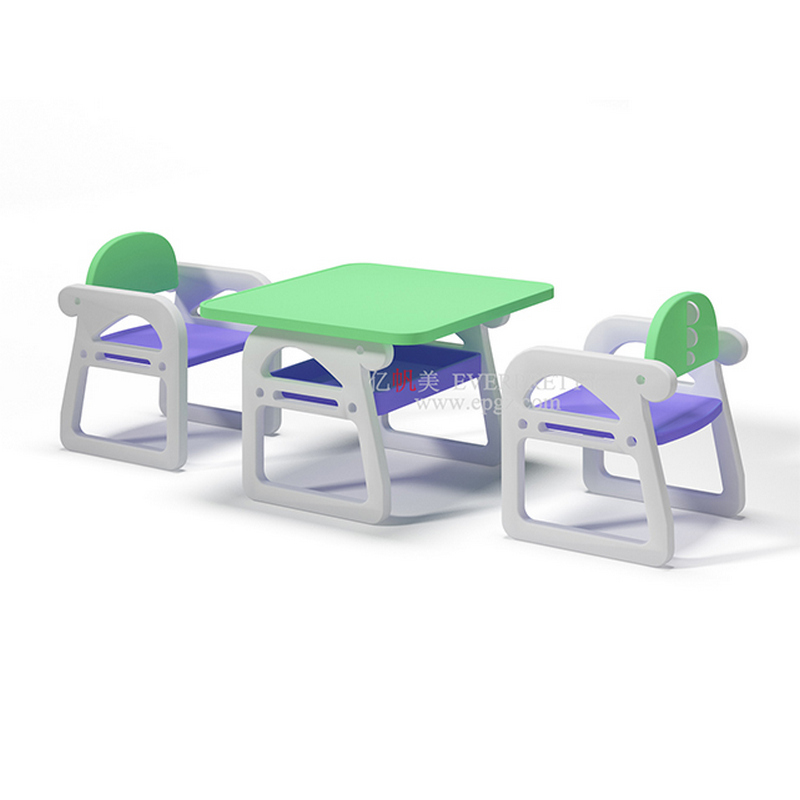
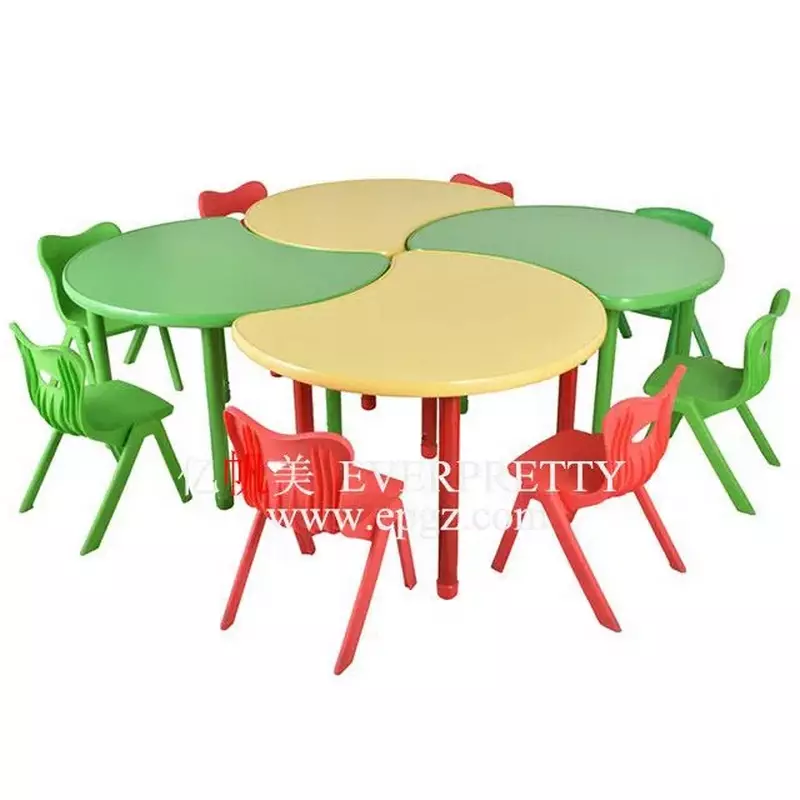
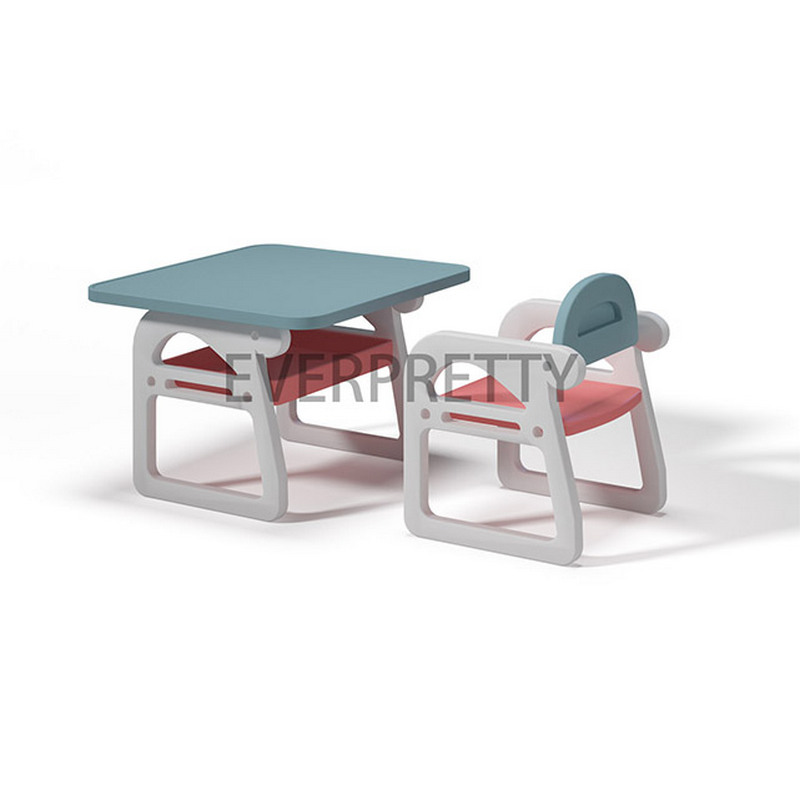
Creating a Behaviorist-Friendly Environment with EVERPRETTY Furniture
The physical layout of your classroom can either support or hinder your management strategies. A well-organized space with clear traffic patterns, minimal distractions, and good lines of sight helps reinforce an orderly environment. Everything from where students store their backpacks to how desks are arranged contributes to the overall behavioral system.
Since 1994, EVERPRETTY Furniture have grown with schools, government departments, contractors, and trade partners worldwide by offering practical and reliable solutions. With a 79100㎡ manufacturing base, we offer comprehensive support for customized projects, ensuring that clients can buy classroom furniture tailored to their specifications. See our factory online!
Ready to start your school or office project? Contact us for tailored solutions. Bulk pricing, OEM/ODM, and international project contracting are available. Leave a comment below to receive a quick consultation and discover how our furniture can support your next development.



Leave A Comment