
School canteens are vital spaces for students, serving as social hubs that reflect cultural values and educational philosophies. Their design significantly impacts student well-being, social interaction, and academic performance. This post examines how school canteen designs vary globally—from Japan’s meticulous organization to Europe’s flexible layouts—and their connection to student wellness and cultural norms, offering inspiration for school renovation projects.
Canteen Design, Culture, and Student Well-being
The layout, furniture, and overall atmosphere of a school canteen are not arbitrary. They are often intentional choices that support specific educational and social goals. A well-designed canteen can foster community, encourage healthy eating habits, and provide a necessary mental break from academic pressures. Conversely, a poorly designed space can contribute to stress, social isolation, and poor nutrition. The design choices made by schools in different countries reveal their unique approaches to fostering a positive learning environment.
Japan: Emphasis on Order, Community, and Responsibility
In Japan, the school lunch experience, known as kyushoku, is an integral part of the curriculum. It is treated as an educational period focused on nutrition, etiquette, and collective responsibility.
- In-Classroom Dining:Instead of a large, central cafeteria, most Japanese elementary and junior high students eat lunch in their own classrooms. Students are responsible for serving their classmates, distributing meals, and cleaning up afterward. This approach reinforces values of teamwork, hygiene, and respect.
- Functional Furniture:The classroom desks and chairs are used for dining. This dual-purpose setup maximizes space and integrates the mealtime routine seamlessly into the school day. The furniture is typically uniform, durable, and designed for easy cleaning.
- Design Philosophy:The focus is on efficiency, discipline, and community. The design eliminates the chaos of a large cafeteria, creating a structured and calm environment. This model teaches students life skills and reinforces the idea that every member of the community has a role to play.
The United States: A Focus on Efficiency and Choice
American school cafeterias are typically designed to serve a large number of students quickly and efficiently. The “lunch line” model is a defining feature, prioritizing speed and volume.
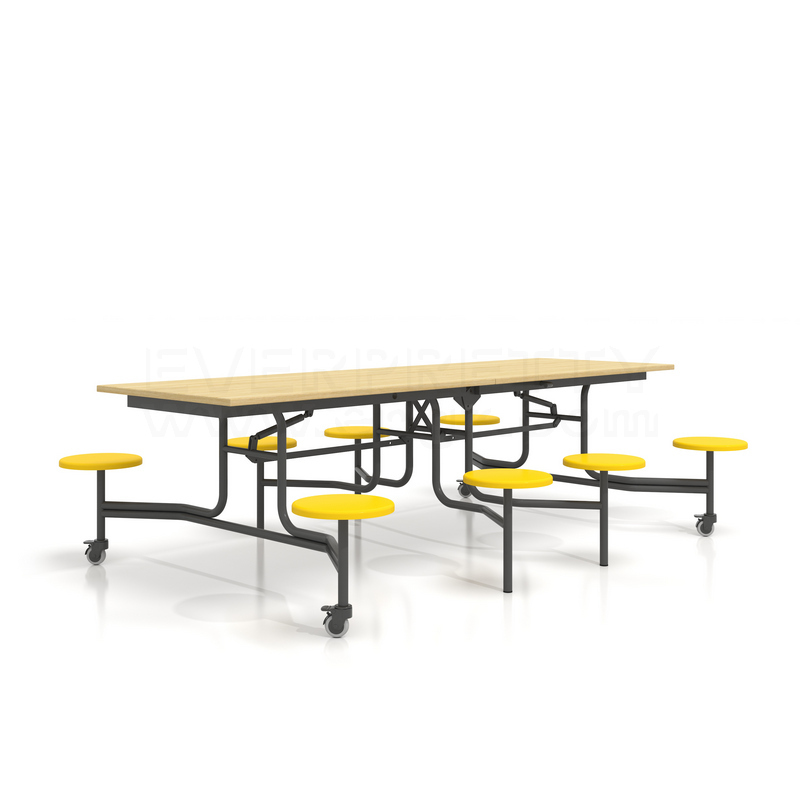
- Large, Open Spaces:S. cafeterias are often vast rooms filled with long, rectangular tables and benches. This layout is built for maximizing seating capacity and facilitating quick turnover between lunch periods.
- Durable and Low-Maintenance Furniture:Seating often consists of connected bench-style units or individual molded plastic chairs. The materials are chosen for durability and ease of cleaning, with less emphasis on comfort or aesthetics.
- Impact on Student Experience:While efficient, this model can create a noisy and impersonal atmosphere. Recent design trends are moving toward breaking up these large spaces into smaller zones, using varied seating options like round tables and booths to create a more comfortable and social environment. This shift aims to reduce the institutional feel and encourage more positive interactions among students.
European Models (Scandinavia & France): Social Hubs and Quality of Life
Many European countries, particularly in Scandinavia and France, view the canteen as a vital social space that contributes to the overall quality of student life. The design reflects an emphasis on well-being, comfort, and socialization.
- Restaurant-Style Layouts:Canteens in these regions often resemble modern cafes or restaurants. They feature smaller tables, comfortable chairs, and zoned areas for different group sizes. This creates a more relaxed and inviting atmosphere where students are encouraged to linger and socialize.
- Acoustic and Lighting Design:Significant attention is paid to acoustics to manage noise levels, using sound-absorbing materials and spatial divisions. Natural light is prioritized to create a bright and pleasant environment. In France, lunch is considered a fundamental part of the day, and canteens are designed to support a leisurely, multi-course meal.
- Flexible and Multi-Use Furniture:The furniture is often modular and lightweight, allowing the space to be reconfigured for other activities outside of meal times, such as group study, club meetings, or school events. This flexibility maximizes the utility of the space and integrates it more fully into the school’s daily life.
Key Takeaways for Design and Renovation
Analyzing these different models provides valuable benchmarks for administrators and designers looking to create effective canteen spaces. The ideal design often lies in a balance between efficiency, comfort, and cultural alignment.
- Define the Purpose:Is the primary goal speed and efficiency, or is it to create a social and educational hub? Clarifying the canteen’s role within your school’s philosophy is the first step.
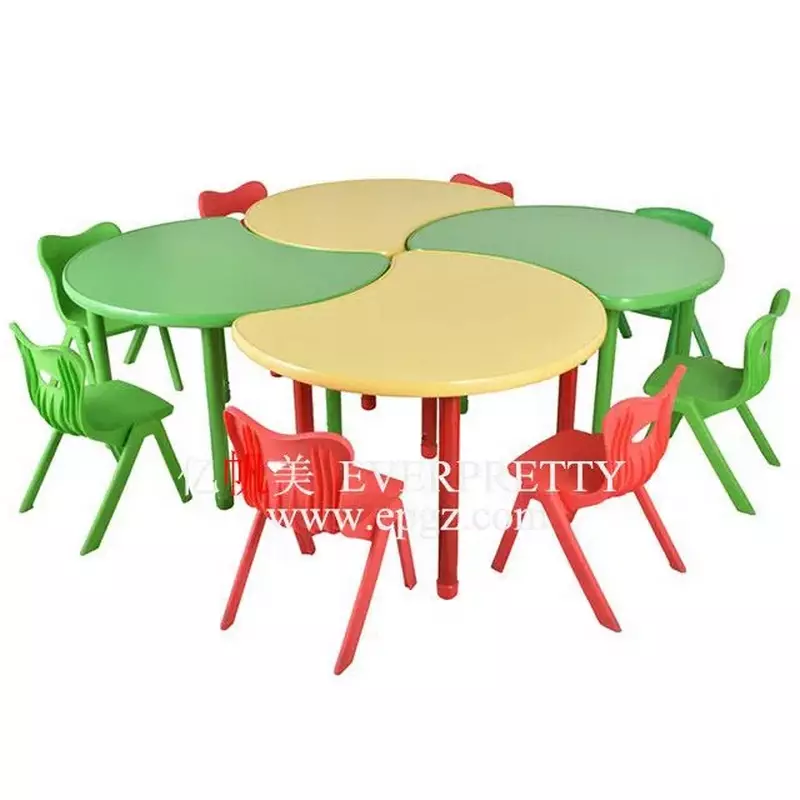
- Promote Social Interaction:Avoid overly rigid, uniform layouts. Use a variety of table sizes and shapes (round, square, rectangular) to accommodate different group dynamics. Booths and smaller nooks can provide quieter spaces for students.
- Manage Acoustics and Lighting:A noisy, poorly lit canteen can be a source of stress. Invest in acoustic panels, thoughtful lighting design, and access to natural light to create a more calming atmosphere.
- Consider Flexibility:Multi-functional furniture and modular layouts allow the canteen to serve as a valuable asset for the entire school community, adaptable for various events and activities.
The design of a school canteen is a powerful tool for shaping student experience and reinforcing institutional values. By drawing inspiration from successful models worldwide, schools can create spaces that not only feed students but also nourish their social and emotional well-being.
About EVERPRETTY Furniture
For over 30 years, EVERPRETTY Furniture has specialized in designing and manufacturing high-quality, fully customizable school canteen furniture. We offer one-stop turnkey services, from project design to installation, ensuring every solution meets international standards for quality and safety. Our extensive experience serving clients in over 68 countries allows us to provide reliable, on-time delivery and expert logistics support for projects of any scale.
Contact us today to discover how our customizable furniture can transform your school’s learning environments.



Leave A Comment