

School cafeterias have always been more than just places to eat—they’re social hubs, learning spaces, and vital sources of nutrition for millions of students. The evolution of school lunches from the 1980s to today reflects changing views on health, policy, and culture. What began as simple, standardized meals has grown into a complex system designed to meet diverse nutritional and social needs, highlighting how societal priorities have shifted over the decades.
A Tale of Two Trays: 1980s vs. 2020s
A side-by-side comparison of school lunch trays from these two eras reveals a stark contrast, highlighting major shifts in food service philosophy.
The 1980s Lunch Tray: Convenience and Carbs
The typical 1980s school lunch was built around convenience and affordability. Menus often featured processed, easy-to-prepare items that could be mass-produced with minimal cost.
- Menu Variety: Limited options were the norm. A main course, often a cheeseburger, square pizza, or fish sticks, was paired with a canned vegetable (like corn or green beans), a fruit (usually canned peaches or pears in syrup), and a carton of whole milk.
- Portion Sizes and Quality: Portion sizes were generally standardized but often heavy on refined carbohydrates and fats. Quality was secondary to cost-effectiveness, with a heavy reliance on frozen and canned goods. Fresh produce was a rarity.
- Cultural Influences: The menu reflected a mainstream American diet. International or diverse culinary options were virtually non-existent, and special dietary needs, such as vegetarianism or allergies, were seldom accommodated.
The 2020s Lunch Tray: Nutrition and Choice
Today’s school lunch program operates under a different set of principles, emphasizing health, variety, and inclusivity.
- Menu Variety: Modern cafeterias often resemble food courts, offering multiple daily options. Salad bars, build-your-own sandwich stations, and diverse hot entrees are common. Menus frequently include vegetarian, vegan, and gluten-free choices to accommodate various dietary requirements.
- Portion Sizes and Quality: Portion sizes are now guided by strict nutritional standards, with an emphasis on nutrient density. There is a strong push for fresh, locally sourced ingredients. Whole grains have replaced refined grains, low-fat milk is standard, and fresh fruits and vegetables are staples.
- Cultural Influences: Menus now often reflect the cultural diversity of the student body. It is not uncommon to see options like vegetable curry, chicken tacos, or lo mein, introducing students to global cuisines and promoting an inclusive environment.
The Driving Force: Health, Nutrition, and Policy
The evolution of school lunches is a direct result of scientific evidence linking diet to health and academic performance, prompting significant policy changes.
A Focus on Health and Nutrition
The 1980s and 1990s brought increased awareness of childhood obesity and related health issues. Experts criticized the high fat, sodium, and sugar content in school meals, shifting the focus from merely feeding children to actively nourishing them. Studies confirm that well-nourished students exhibit better concentration, improved memory, and higher attendance, making nutrition vital for academic success.
The Role of Government Regulation
Government policies have been crucial in transforming school lunch programs. The United States Department of Agriculture (USDA) sets nutritional guidelines, with key legislation driving change:
- Healthy, Hunger-Free Kids Act of 2010: This pivotal act mandated increased availability of fruits, vegetables, and whole grains, requiring fat-free or low-fat milk, age-appropriate calorie limits, and reduced saturated fat, trans fat, and sodium.
- Global Influence: Organizations such as the World Health Organization (WHO) have shaped international standards by advocating for healthy school food environments, encouraging nations to restrict unhealthy food marketing to children and implement comprehensive nutrition policies.
A Reflection of Broader Social and Cultural Shifts
The changes in the cafeteria tray mirror larger trends in society.
- Food Culture: The rise of “foodie” culture and greater interest in food origins have raised expectations for school meals. Parents and students now demand better quality, transparency, and more sophisticated options.
- Sustainability: Schools are placing more emphasis on sustainability, with many adopting farm-to-school programs to source fresh, local produce. This reduces food transportation’s carbon footprint and supports local farmers. Some schools even have gardens, teaching students agriculture and food production firsthand.
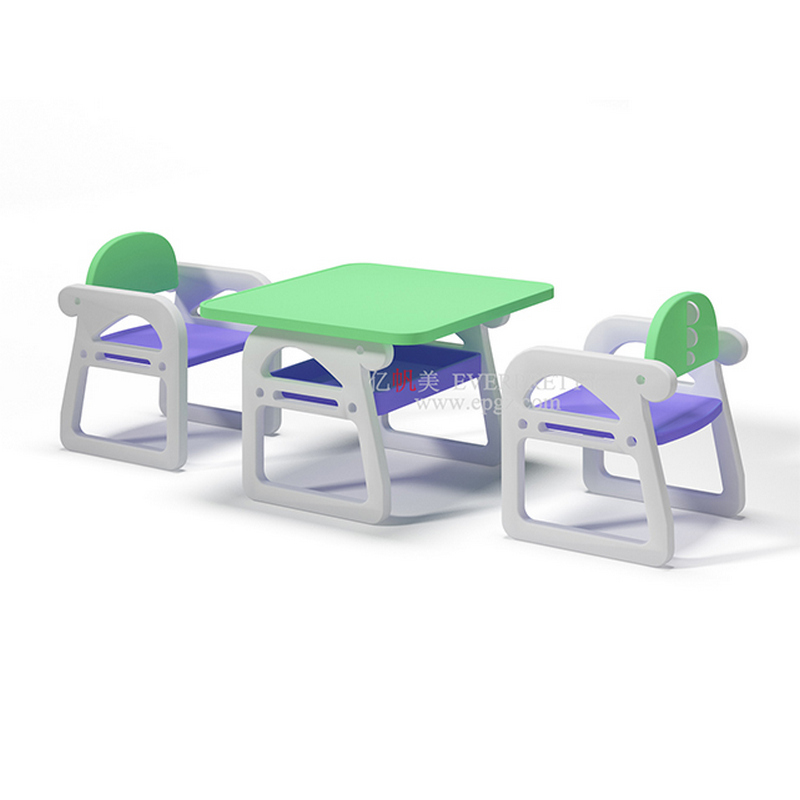
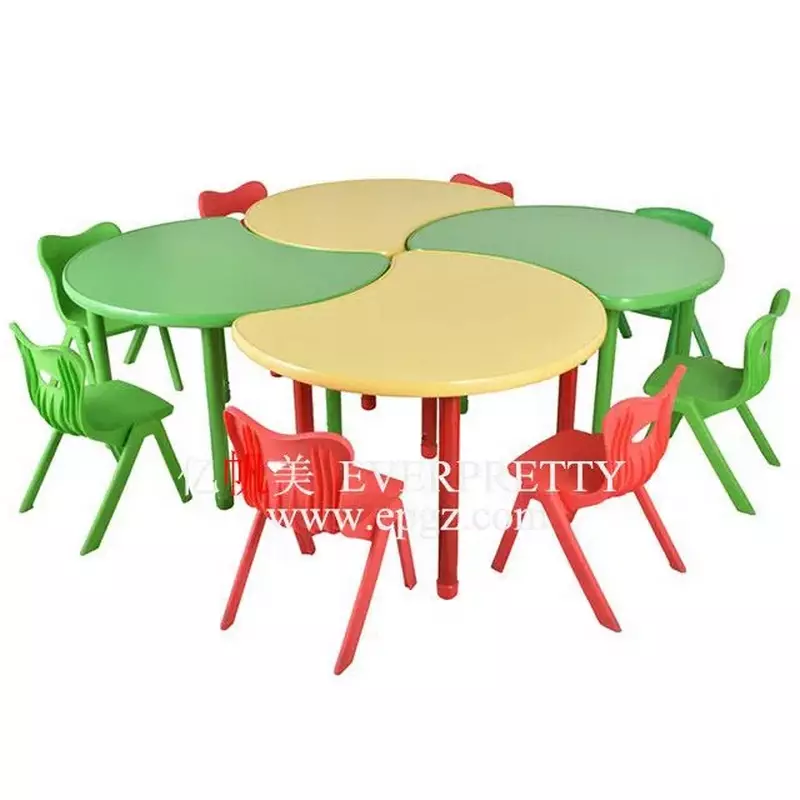
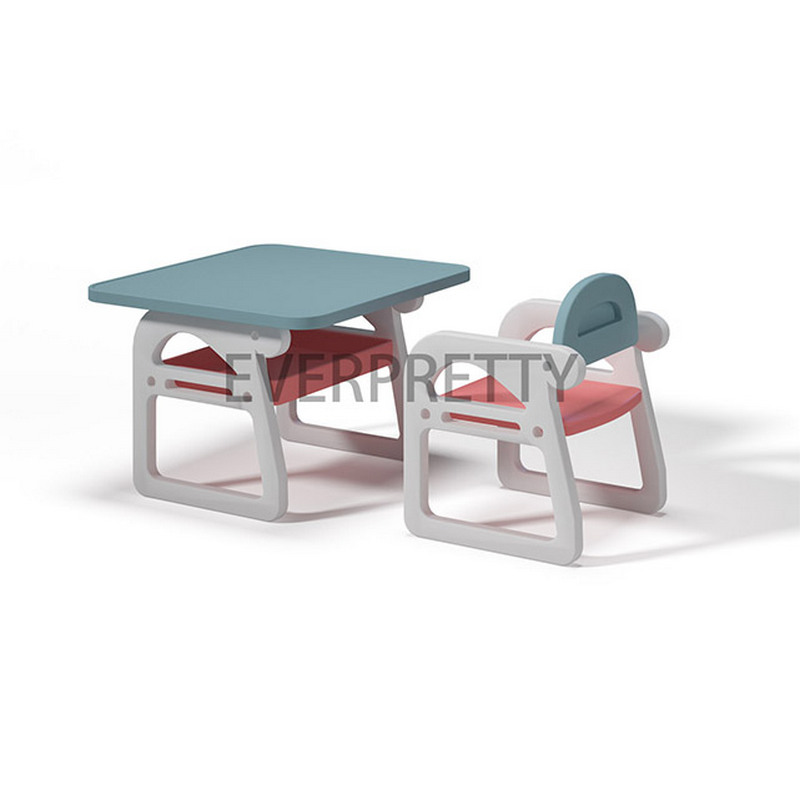
- Student Well-being: Modern education prioritizes student well-being beyond academics. Cafeterias are now designed with better lighting, comfortable seating, and inviting decor to create a positive social and dining environment.
About Everpretty Furniture
Since 1994, EVERPRETTY Furniture has been a reputed school canteen furniture supplier specialized in manufacturing high-quality, fully customizable educational furniture. With a 79,100+ sqm production base and a track record of serving over 71,520 clients across 68 countries, we provide solutions that are compliant with international standards like ISO, SGS, and TUV. Our one-stop turnkey services ensure a seamless process from design to installation, helping schools create functional and inspiring spaces for the next generation.
Contact us today to discover how our expertise can support your next project.



Leave A Comment